

Know how the Aul trees are associated with the manufacturing of the Kotpad Saree
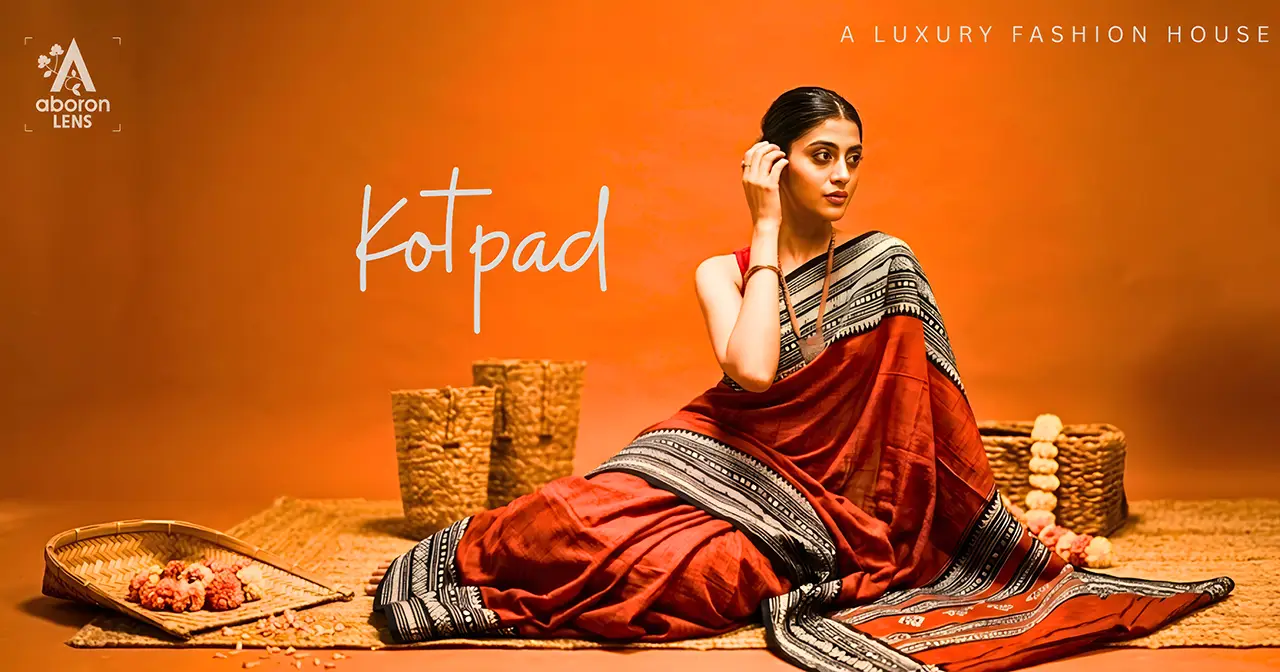
We all, someday in life, have that feeling when we walk into a room to attend someone’s birthday, Grihapravesh, or Puja, and for no logical reason, we just feel like a goddess.
If you want to experience that feeling, too, then you must wear the Kotpad saree.
It might give you a boring look & feel at first sight, but trust me, it has a soul, wearing which you will sense this too.
But you must be wondering where you get that saree from? Let me tell you The origin of the saree is the Koraput village of Odisha. The people of the Mirgan community, Odisha is famous all over the world for their highly creative nature and incredible patience.
These weavers are the real makers of this aesthetic cotton fabric of Odisha.
Interesting right? But the making process is even more interesting.
Know how the Kotpad Saree is produced
The artisans basically collect fibres from the aul tree roots, and then they weave these magic threads.
Later on, these threads are used to weave the Kotapad saree.
These saree has a large number of critics too.
Some saree enthusiasts like to call it slow-fashion flex. The reason? The colour of the saree needs 15 to 30 days to properly soaked by the fibrous threads.
No, no chemical locha involved here. Only the organic dyes are the solution by deepening where the fabric gets its colour.
The weavers use root minerals to colour a single piece of saree. The deep earthy tobe shades of these sarees easily depict that month -long hardwork and, of course, the warmth put on by the weaver.
Know some specialties of the Kotpad saree
The colour palettes of these sarees are quite interesting. If you look at it keenly, you feel like this saree does not belong to any mall or any sheen looks. It simply belongs to the forest and the and thatswhy it is honestly the most comfortable wear of summers.
It is cotton, but the its not that type of coton which need hours to adjust and thousands of safety pins. It is the soft one which miraculously cools during the scorching May-June
It perfectly adopts wiith you environment and keeps you temperature-friendly, during mid summer and mid-winter.
.But you must be thinking subtlety can’t win the game always. It can be dear.
If you think Its too aesthetic for a brunch date or party. You are totally wrong.
You can just carry it anywhere, paring up with the right jewellery and blouse.
Kotpad will look Bang on with some golden metallic jewellery. Otherwise, if you pair it up with a modern blouse and chunky sneaker, then you also look coolest in your squad, I bet.
Recently, Kotpad got its GI tag for being the iconic piece of art in Odisha. And with time, it is also involved according to the preference of Gen Z and Sigma ladies.
FAQs
1. Which places are known for Kotpad sarees?
Kotpad saree Odisha, Kotpad saree Koraput, are considered the origin of the Kotpad saree.
2. Is Kotpad Saree online available?
Yes, if you search online, there are a lot of brand who basically sell this authentic Odisha sareenearby you.
3. What is the Kotpad saree specialty?
The Koraput Saree is woven using the roots of Aul trees, and to colour one kotpad saree minimum of 1 month is needed, as it has been coloured by extracting the natural dyes.
4. What is the history of the Kotpad saree?
The history of the Kotpad saree is already mentioned above. Please read the above article.