

Phad Paintings: Un-scrolling the Mythical Tales
Sarala: Mummyji
Mili: Daughter
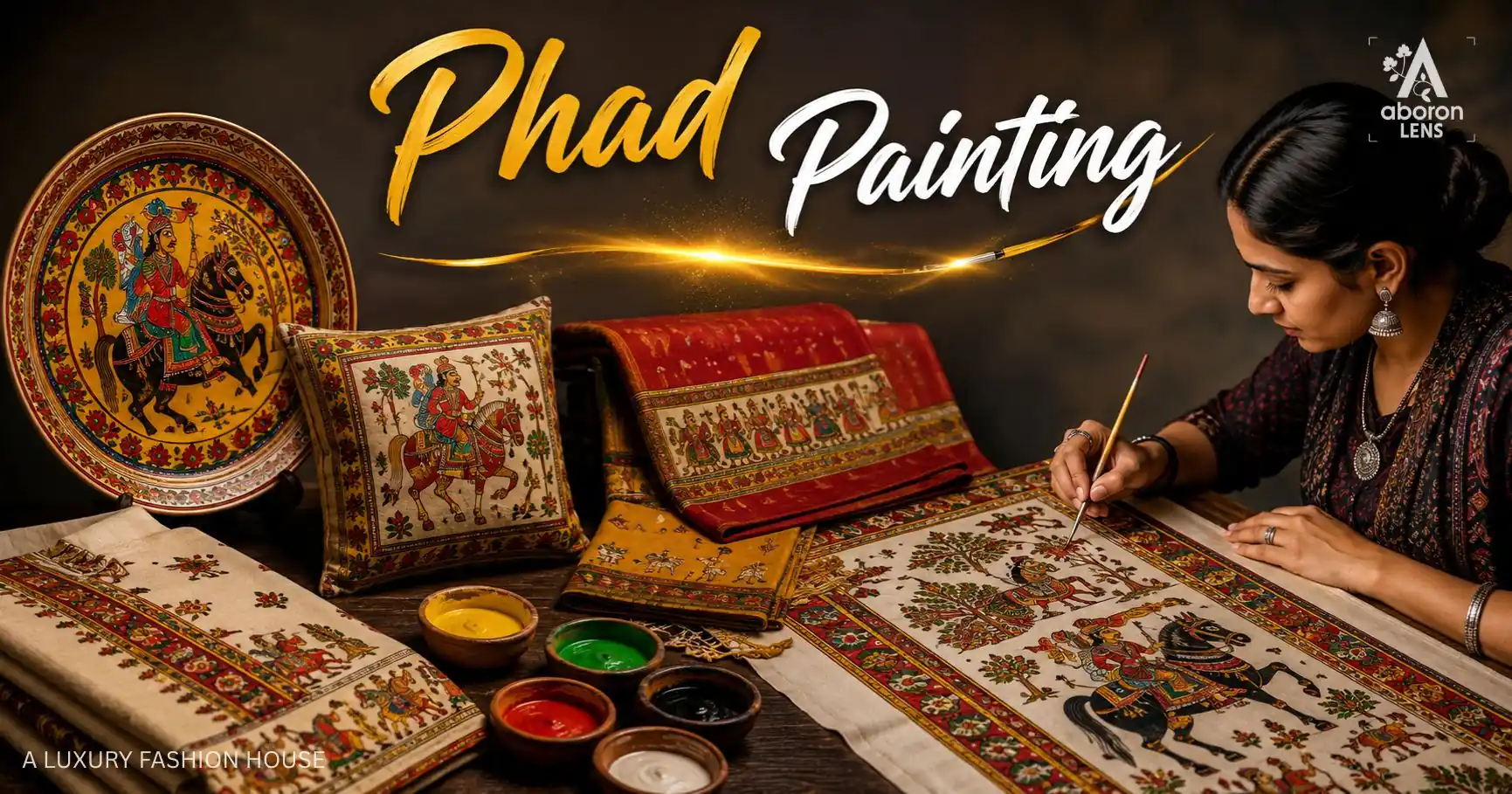
Sarala was unfolding two of her paintings, which she had kept long inside her almirah.
Today is the day of guest arrival at home. Quite naturally, the home must be decked. Moreover, the decoration must reflect the taste of the people. Hence, this special care is being taken.
Mili just returned from her tuition. Her eyes caught a glimpse of these vibrant paintings. She asked:
Mili: Mummy, are these too old? I never saw them before. Looks so royal, doesn’t it?
Sarala: Yes, these decorative pieces are called Phad Painting. They are old, but the tradition is even older…say around the 10th century AD.
Milli: My God, the Rashtrakuta dynasty! Ajanta Ellora caves! I am reading them in my history books these days. I could well connect. I am pretty awestruck!
Sarala: ‘Rajasthani hai yeh toh’ (Phad painting of Rajasthan). You have heard about the most royal rajahs, the unconquerable forts!
You see so many colours? Yes, the paintings are the whole of Rajasthan…rangilo Rajasthan. It has to be special.
Mili: Indeed, I am speechless, Mom. Just take a look at it: the Raja, smelling the rose. Could you see the fiery Yellow tiger jumping from the tree? The horse rider…someone cooking…Gods and Goddesses. Mummy, it looks like this cloth is trying to tell a story, ain’t it?
Sarala: These are scroll paintings…done on clothes. See, I have unfolded it.
Milli: Do you mean it's scrolling stories like we do on our mobile phone?
Sarala: Chup kar pagli…no connection with your mobile and your scrolling day and night. Just because they are foldable pieces of art, they are so-called. Understood, my buddhu rani?
Milli: Yes, mamma, what were you saying about the ‘stories’?
Sarala: Yes, these hand-woven paintings are elaborate narratives from the local folklore. Numerous local stories on local Rajasthani Gods and Goddesses are finely painted by magical hands…exquisite Rajasthani ‘hath ki karigari’ (hand-painted).
Milli: Understood, these bright creatures in your paintings are folklore from hundreds and thousand years ago, ain’t it, Mom?
Sarala: Ekdum sahi beta.…you are absolutely correct. Not only folklore, but these pieces depict stories of our ancient epics like the Ramayana, Mahabharata, and even Hanuman Chalisa!
Milli: And Mummy, these pieces look so religious, not ordinary paintings.
Sarala: Yes, this traditional artwork is a veritable spiritual painting. Just take a look at these different images of the Gods and Goddesses. Hence, painting them is considered worship. They have to be exclusive.
Milli: Oh, I thought anybody could paint it. Is it so?
Sarala (with a serious face): No beta. Only the Joshi Artists knew this craft. They were explicitly hired for creating these magnificent masterpieces. Now that they are extremely religious, no one had the right to sell it except Bhopas.
Milli: Who are they?
Sarala: They are the traditional priest-singers…the healers. They were ordained to carry these paintings, which acted as portable temples. They used to sing religious songs in praise of the Gods.
Milli: Now I understand everything. Stop me if I am wrong. The Joshi Artisans were like Brahma, the creators. The Bhopas were Vishnu, the preservers. Oh my god, that means there must be some destroyer too, isn’t it?
Sarala: No, no no. Are you mad? Stop cooking your meaningless theories. But yes, everything on this earth has an expiry date. It even applies to these paintings that you see here. When they become worn out and faded, they are immersed in the water in a ceremonious ritual called ‘Thandi Karni’.
So understood? These are not ordinary paintings…I collected them from somewhere; I will tell you later.