

The Sarees of the Gods: The Divine Heritage of Kanjivaram Silk
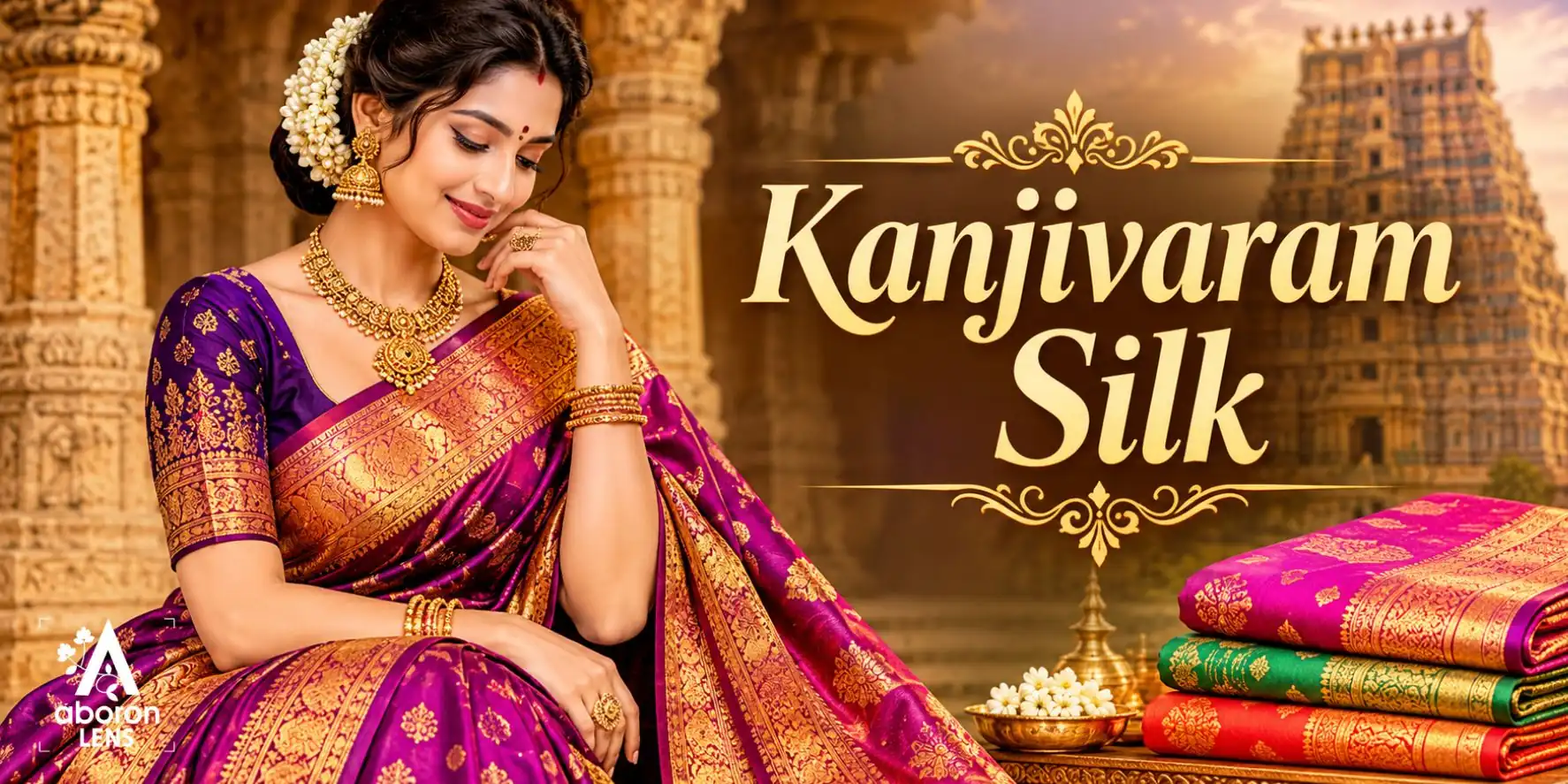
You might have heard old ammas say, " Your mind and attire must be pure when you connect yourself with the divine. This is probably in Bengali culture; there is immense focus on mayer boshon (Mother’s attire).
Some sarees carry stories of faith, devotion and heritage. Kanjivaram silk sarees hold a special place in this tradition. You will be fascinated to hear that it was born in the town of Kanchipuram in Tamil Nadu! These magnificent silks reflect the region's deep connection with religion, art and craftsmanship. Want to dive deeper? Lets go beyond the loom.
Kanchipuram: The Temple Town Behind the Weave
Kanchipuram is one of South India's oldest temple towns. You have definitely heard of it in the yellow pages of history. Even today, its structures and traditions tell mesmerising stories of dynasties, including the Pallavas, Cholas and Vijayanagara rulers. They were the connoisseurs and practitioners of art, architecture and culture.
The Kanjivaram saree's history is closely linked to this cultural landscape. Temple architecture, sculptures and natural forms became important sources of inspiration for local weavers. Our topic is Kanchipuram silk sarees. They developed a distinctive identity. In 2005, Kanchipuram silk received the Geographical Indication (GI) tag, recognising its regional origin and traditional craftsmanship.
Woven for the Gods: The Divine Connection
Let me tell you, there is a fascinating legend associated deeply with these silks. According to traditional belief, Kanjivaram weavers are descendants of Markanda. They were legendary divine weavers who created garments for the Gods.
You may probably agree with me that, in Indian culture, silk garments have long held an important place in Hindu temple rituals and festive ceremonies. Deities are adorned with fine textiles during special occasions. The you have the tradition of offering beautiful garments to the divine reflects devotion and reverence. We must feel extremely proud of these sacred silk traditions of our country. We still hold on to them, which continue to connect craftsmanship with faith.
Sacred Motifs: Stories Woven into Silk
If you take a close look at a traditional Kanjivaram saree, you will discover a world of symbolism. You will connect with the temple towers, rudraksha beads, peacocks, parrots and floral patterns. How fascinating…they all appear across its borders and pallus.
Now I would like to mention the Kanjivaram temple motifs. They draw inspiration from temple architecture, nature and mythology. You have the Gopuram patterns representing temple towers. Then you have the while rudraksha designs recall sacred prayer beads. Such Temple-inspired saree designs are more than decorative elements. They preserve memories of a rich cultural landscape. They also form part of the larger tradition of Mythological motifs in Indian textiles (inspired from Indian Mythology).
The Art of Kanjivaram: A Legacy in Every Thread
The beauty of these sarees lies equally in their making. Traditionally, they are woven using pure mulberry silk and zari. Their contrasting borders and richly decorated pallus create a distinctive look.
One special feature is the korvai technique. It interlocks the contrasting border with the body of the saree using separate shuttles. This requires considerable skill and precision. The elaborate Zari work in silk sarees adds richness and grandeur to the weave. Every piece reflects the patience and knowledge passed down through generations of artisans.
A Legacy Beyond the Loom
A Kanjivaram is not merely a garment. It is a meeting of faith, artistry and tradition. From temple-inspired patterns to the hands of skilled weavers, every thread carries a story. Perhaps that is why these silks remain treasured across generations. They are not simply worn. They are inherited, celebrated and cherished.