Handwoven Naga Shawls, the heritage of the tribals of Nagaland
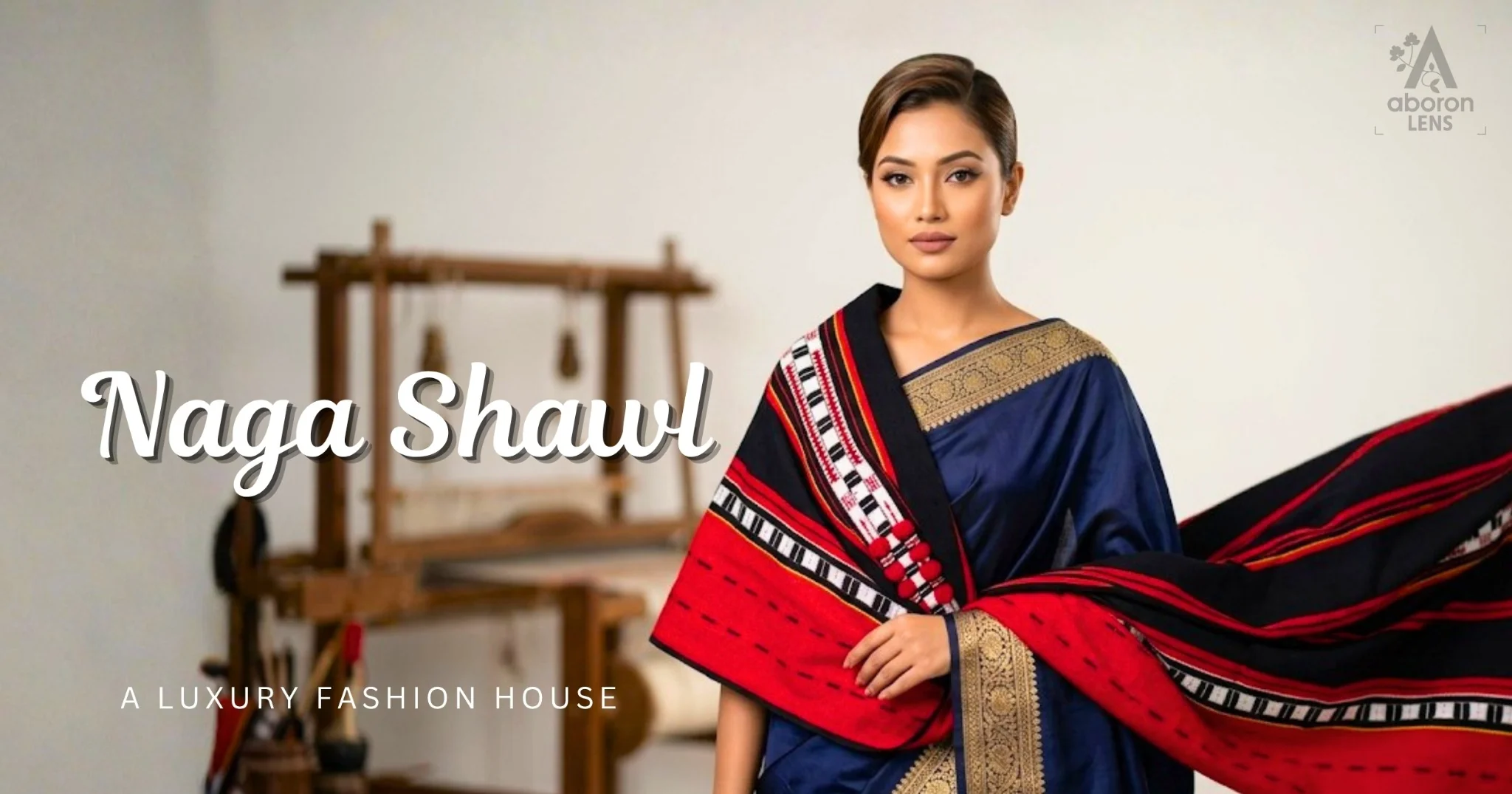
Have you ever seen such fabric that just reminisce thousands of years of history?
It sounds poetic, doesn’t it?
Let me clarify that it's not my imagination at all. The emerald north-east India can actually make you feel like that.
Let me take your soul to Nagaland. Though now it's in the limelight for its war, for which nobody talks about its art and culture today.
Today, we will dive deep into its weaving art, which is still a gem in the era of fast fashion.
Nagaland is the home of over 16 major Naga tribes. Angami, Ao, Chakhesang, Chang, Konyak, and Lotha are a few of them.
Every tribe has its own unique world, and so does its sense of dressing.
The Tsungkotepsu shawl is one of the most precious blankets, which naga people use as their everyday attire.
The figures of tigers, elephants, mithuns, human heads, and weapons like spears and cocks are painted or embroidered upon it as the most precious design of the Tsungkotepsu shawl.
And the best thing about this shawl is that all the shawls are embroidered by the experienced old hands. Whoever is the eldest in the tribe, the weaving is done by their hand only.
Know the specialities of the Naga shawl of Nagaland
Most of the Tiongkongsu are woven meticulously with the red-dyed dog's hair. Sometimes, the uncoloured threads are also used for maintaining their rawness.
The Zeliang woman generally wears Azujangnupsu, a red and black striped shawl, adorned with the cucumber motifs.
For Naga women, Azujangnupsu, skirts are the symbol of status.
Sometimes locally grown cottons are also used to weave these fabrics. These cottons are generally grown in a ball. The Naga women patiently roll it with a rolling pin on a flat stone to remove all the seeds, or use a rustic wooden ginning machine. After collecting the long thread, they are spun and, using a bamboo spindle, the weaving starts.
For colours, they do use a secret tribal recipe. Red comes from the roots of a local creeper called aotju, tsenyhu, or tangmo. Blue, which can range from a delicate sky to a deep, inky, almost-black, is derived from the Strobilanthes flaccidifolius plant. Yellow is extracted from athuo and akhung.
A Cruhusbang su is a gorgeous geometrical design of crosses, diamonds, and bow-shaped designs, inspired by the rugged hill. The Nii Kongra Su is also a very powerful pattern of arrowheads and spear designs. The 'fish-tail' design on a Nagmisu wrap is the geometric symbol of Naga life.
Each pieces are weaved on a narrow loom, which is also called a lion loom. The simpler patterns are also woven to make the shawl look more elegant, but the traditional one, which catches the heart and soul both.